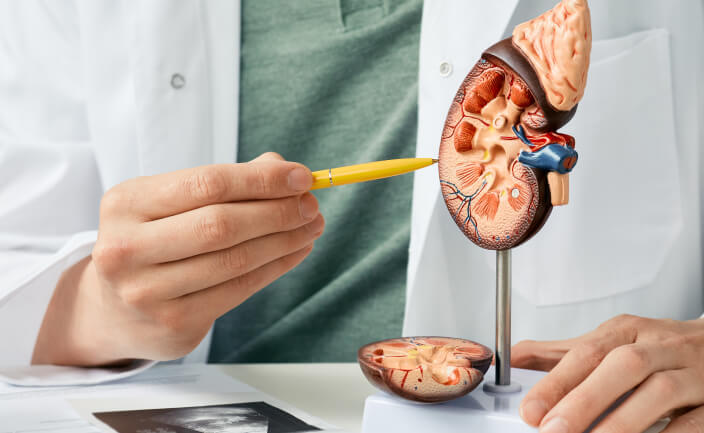

Where Do Kidney Stones Come From?
Factors such as dehydration, certain dietary habits and metabolic conditions can increase the concentration of stone-forming substances like calcium, oxalate and uric acid. As these crystals grow, they can remain in the kidney or travel down the urinary tract, sometimes triggering significant discomfort.
How to Pass a Kidney Stone
Smaller stones, usually under 5 mm, are often able to pass without surgical intervention. The process can still be uncomfortable, but supportive measures and medical supervision can make it more manageable. The following steps may help encourage safe passage.
Stay Well Hydrated
Drinking enough fluids throughout the day is essential. Aim for urine that appears pale yellow or clear, as this indicates adequate hydration. Fluids help flush the urinary system and may assist the stone in moving through the ureter and out of the body.
Use Appropriate Pain Relief
As a stone moves, it may cause intermittent, wave-like pain known as renal colic. Over-the-counter anti-inflammatory medication can help relieve discomfort, while stronger options may be prescribed if needed. Always take pain relief according to your doctor’s advice to ensure it is safe and effective for you.
Ask about Medical Expulsive Therapy (MET)
In some cases, your urologist may suggest medications known as alpha-blockers. This help relax the muscles of the ureter, potentially reducing pain and allowing the stone to pass more smoothly.
Strain Your Urine
Using a urine strainer or fine sieve allows you to collect the stone once it passes. Laboratory analysis of the stone provides valuable information about its composition, which is key to preventing future episodes.
5 Practical Tips to Prevent Kidney Stones
Once a stone has passed, prevention becomes an important focus. Making targeted lifestyle and dietary changes can significantly lower the chance of recurrence, particularly when tailored to the type of stone you have experienced.
1. Drink Enough Water
Maintaining high fluid intake is the single most effective way to prevent stones from forming. Diluted urine reduces the concentration of minerals that form stones. Many specialists recommend aiming for a daily urine output of approximately 2 to 2.5 litres for individuals with a history of stones.
2. Eat More Calcium-Rich Plant Foods
Although it may seem surprising, severely restricting calcium can increase the risk of calcium oxalate stones. Dietary calcium binds with oxalate in the gut, reducing its absorption. Opt for food-based sources such as leafy greens, fortified cereals and almonds rather than supplements, unless advised otherwise.
3. Enjoy Some Lemons
Citrus fruits like lemons and limes are rich in citrate, a natural inhibitor of stone formation. Citrate helps prevent calcium from crystallising in the urine. Adding fresh lemon or lime juice to water is a simple and refreshing way to support stone prevention.
4. Watch the Sodium
Excessive sodium causes the kidneys to excrete more calcium into the urine, increasing stone risk. Limiting processed foods and reducing added salt can benefit both kidney health and overall wellbeing.
5. Cut Back on Animal Protein
High intake of animal protein can raise uric acid and calcium levels while lowering protective citrate levels in the urine. While protein is necessary, moderating the portions can be beneficial, particularly for those prone to uric acid or calcium oxalate stones.
When a Stone Does Not Pass Naturally
Some stones are simply too large to pass on their own or become lodged in a way that obstructs urine flow. Others may cause ongoing pain or lead to infection, making medical intervention necessary. In these situations, urologists can offer several established treatment options to remove or fragment the stone safely.
Common intervention options include:
Ureteroscopy
This procedure is commonly used for stones in the ureter or kidney. A thin, flexible scope is passed through the urinary tract to locate the stone. It can then be removed directly or broken into smaller fragments using laser technology before extraction.
Extracorporeal Shock Wave Lithotripsy (ESWL)
ESWL uses focused shock waves from outside the body to break stones into fine particles. These fragments can then pass naturally in the urine. It is a non-invasive option often suitable for small to medium-sized kidney stones.
Percutaneous Nephrolithotomy (PCNL)
PCNL is typically recommended for larger or more complex stones and is performed through a minimally invasive surgical approach. The surgeon makes a small incision in the back or flank, then creates a narrow channel into the kidney. A scope is passed through this channel to break the stone into pieces and remove it directly. This method is often chosen for stones that cannot be treated effectively with other techniques.
When to See a Urologist
While smaller stones can sometimes be managed at home, certain symptoms should never be ignored. Persistent or severe pain, ongoing nausea or vomiting, visible blood in the urine, or difficulty passing urine all warrant prompt medical review. Fever or chills are particularly concerning, as they may indicate an infection requiring urgent treatment.
A urologist can perform detailed imaging and laboratory assessments to determine the stone’s size, location and impact on your urinary system. This information is crucial in deciding the most appropriate course of action.
Moving Forward with Confidence
Kidney stones can be unpredictable, but you do not have to navigate them alone. Knowing when a stone can be managed conservatively and when specialist input is needed can make a meaningful difference to both your comfort and long-term kidney health.
If you are experiencing symptoms or wish to take a proactive approach to prevention, contact our clinic to discuss a personalised kidney stone care plan and move forward with greater clarity and confidence.